Assessing How Your Systems Work Together
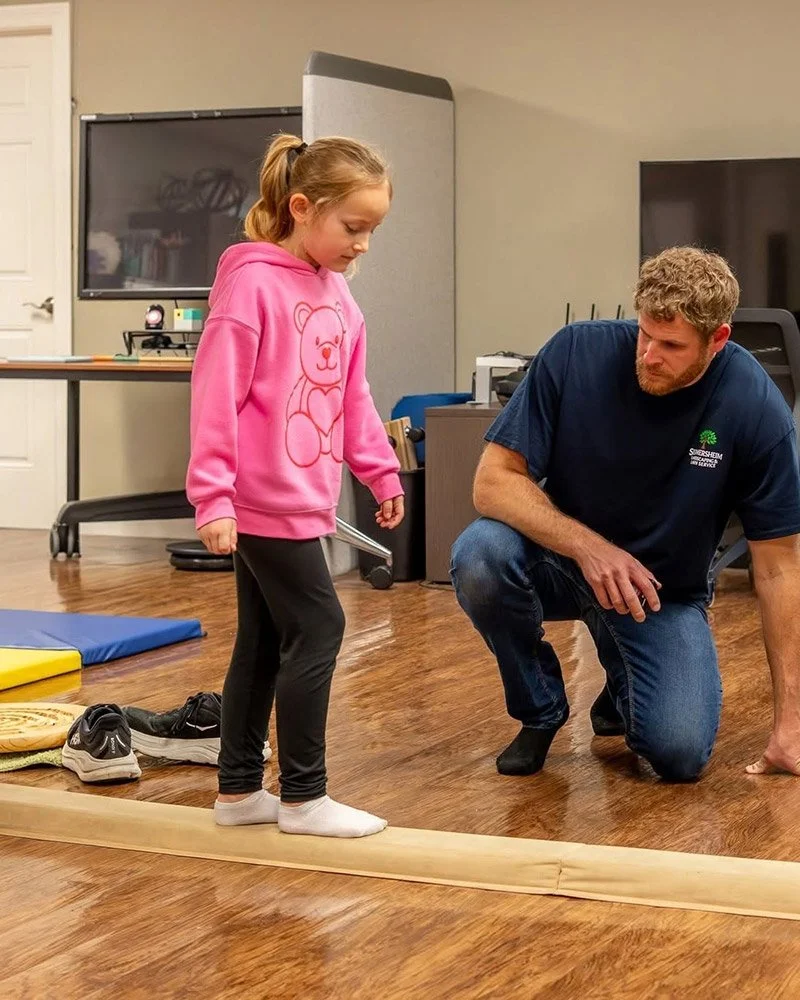
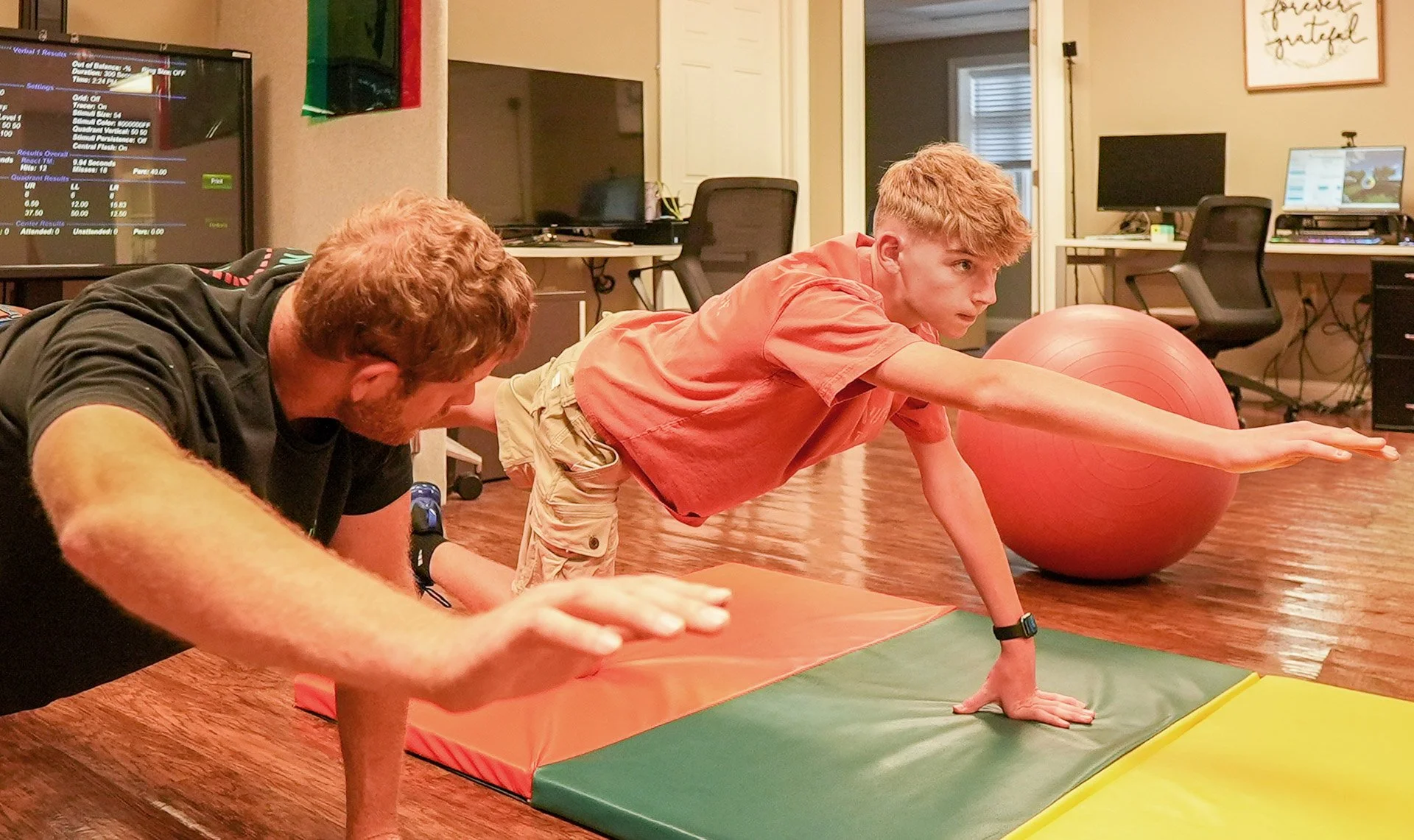
Vision, balance, movement, coordination, and body awareness all contribute to how you function throughout the day. A sensory motor assessment holistically evaluates these systems to better understand how they work together and where challenges may be affecting daily function.
By identifying these connections, we can create a more individualized path toward better integration of visual, movement, and sensory processing and how they support daily function.
The purpose of our assessments are to understand your starting point and identify how your systems are working together.
Your Assessment & What To Expect
Your History
During your first visit, we ask questions about your overall health and development. Developmental milestones are important puzzle pieces that help us understand how your systems are working. The information we gather helps identify areas to focus on, guiding the personalized approach to improving everyday function.
Patient Baseline & Symptoms
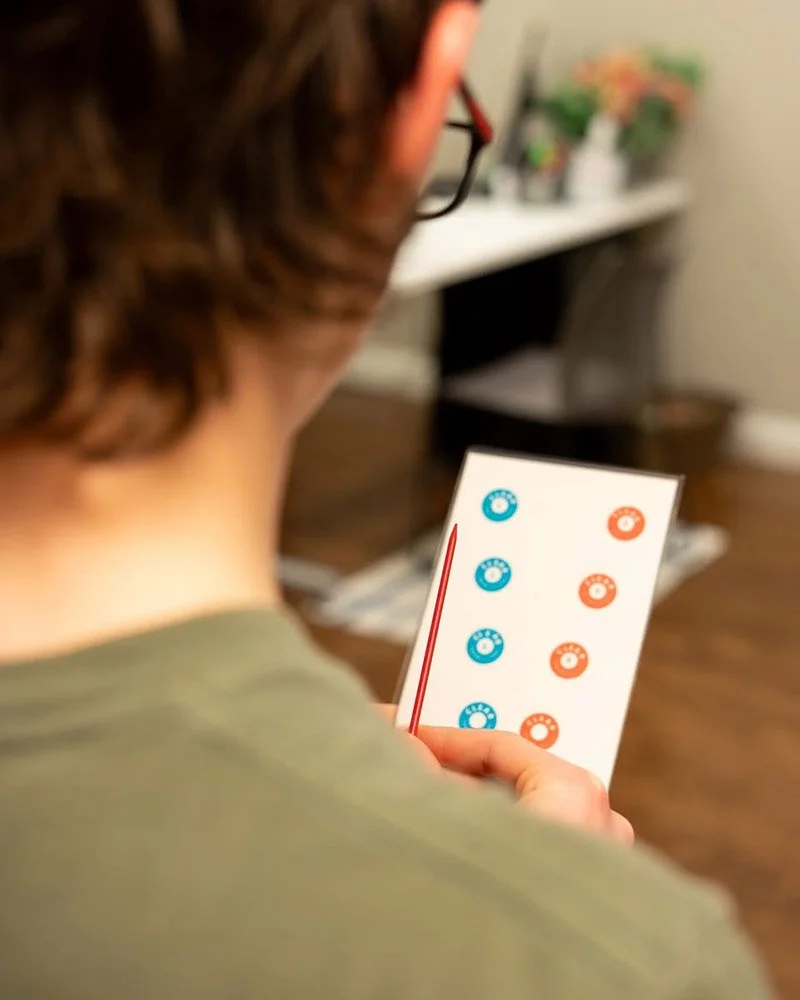
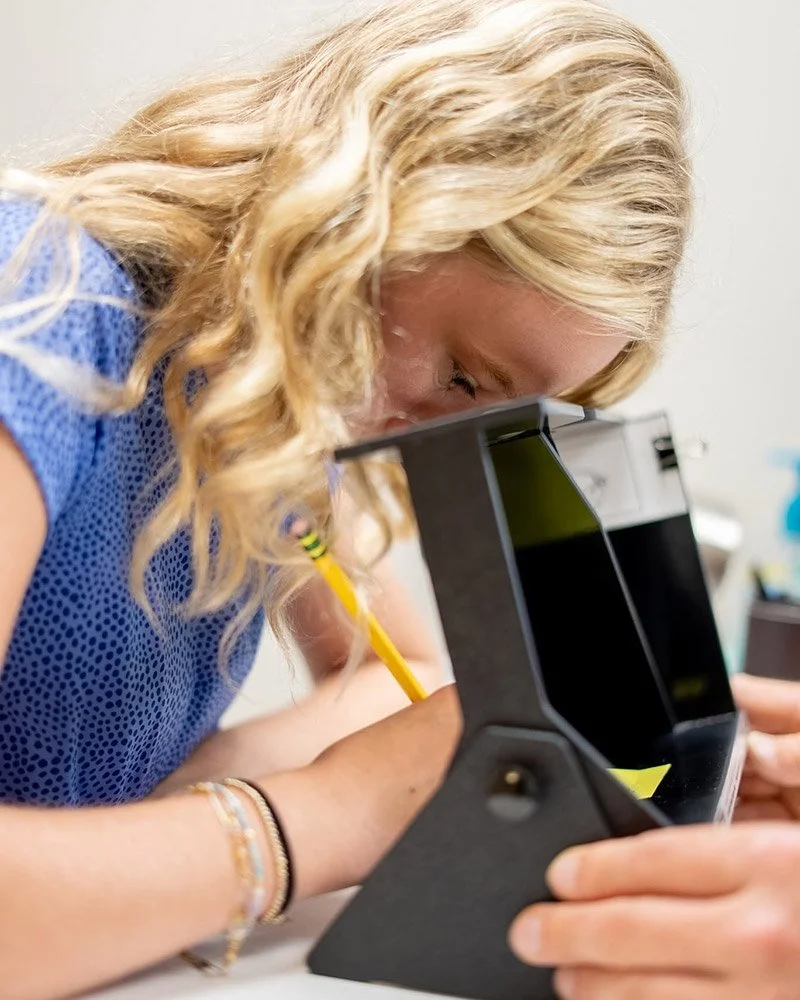
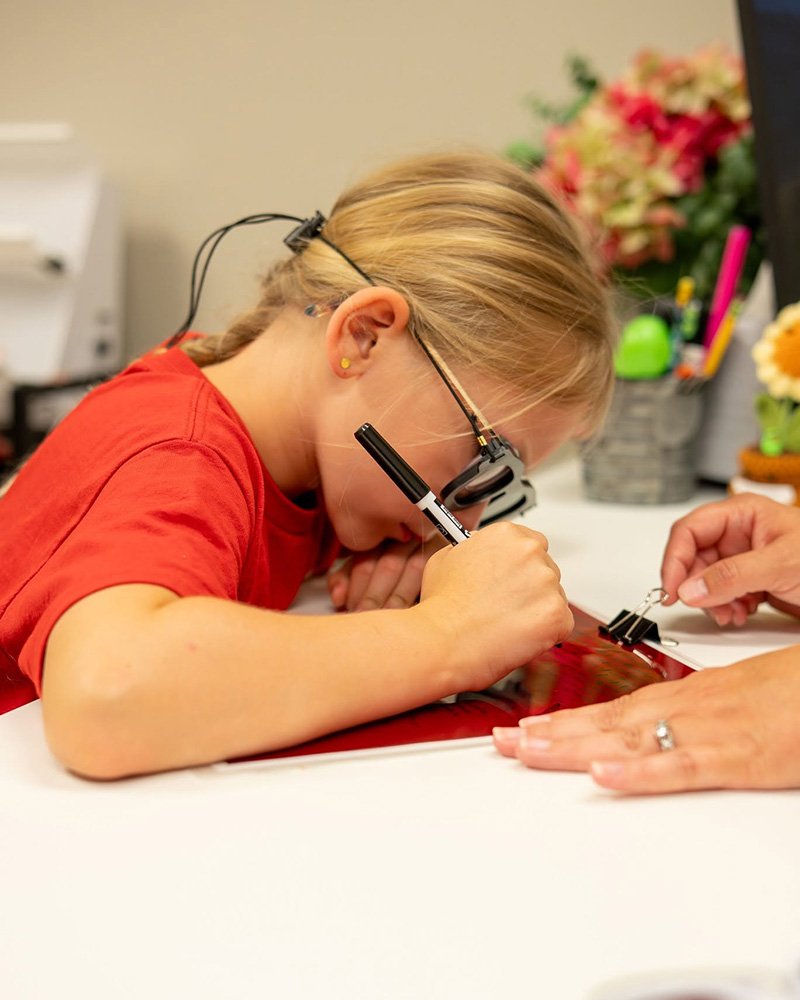
From our symptoms checklist to conversations that we have, this detail provides us a glimpse of overarching patterns that emerge over time. Clinical testing and observation of eye and body responses in real time provides clues within your story that will help us customize your plan to provide the most functional benefits. Previous services and interventions also help us know where our starting point is.
Individualized Plans
No two people experience symptoms or respond to therapy in exactly the same way. Your assessment helps us identify the systems that may need support so your therapy can be tailored to your individual needs, responses, and goals. You are unique and the path to integrated daily function should be tailored to the methods that you respond to the best.
Next Steps
Therapy is not a straight line and your path to improved daily function should be as individual as you are. Once your assessment is complete, we will discuss the approach and next steps of your customized therapy:
Visual Motor Therapy focused on balance, coordination, eye movements, and visual tracking.
Photobiomodulation to support the body’s natural cellular processes.
Syntonics using therapeutic light wavelengths may be incorporated into your individual plan.
From Understanding the Findings to Action
Explore how visual motor therapy can turn assessment findings into meaningful connections that support calmer connected daily function.