Visual Motor Therapy Connects Systems to Improved Daily Function
Visual motor therapy addresses the connections between the visual, vestibular, proprioceptive, and motor systems to help improve how the body receives, processes, and responds to information. Therapy may incorporate ocular motor skills, postural control, bilateral coordination, balance, body awareness, and sensory motor integration to support more efficient movement and function.
When these systems work together efficiently, they provide a stronger foundation for everyday activities. From learning and reading to movement, coordination, and navigating the world around you, integrated systems can help your body respond more efficiently to the demands of daily life.
Less Effort. More Efficiency.
Our goal is not simply to help you perform a task, it’s to help your systems work together so you don't have to consciously work as hard to perform it. With improved integration, your body can learn to use the appropriate amount of effort for each task, reducing unnecessary compensation and overworking during everyday activities. Better integration can mean more efficient movement, processing, and function so your body can focus its energy where it is needed most.
Systems At Work:
How You See, Move, and Interact
VESTIBULAR
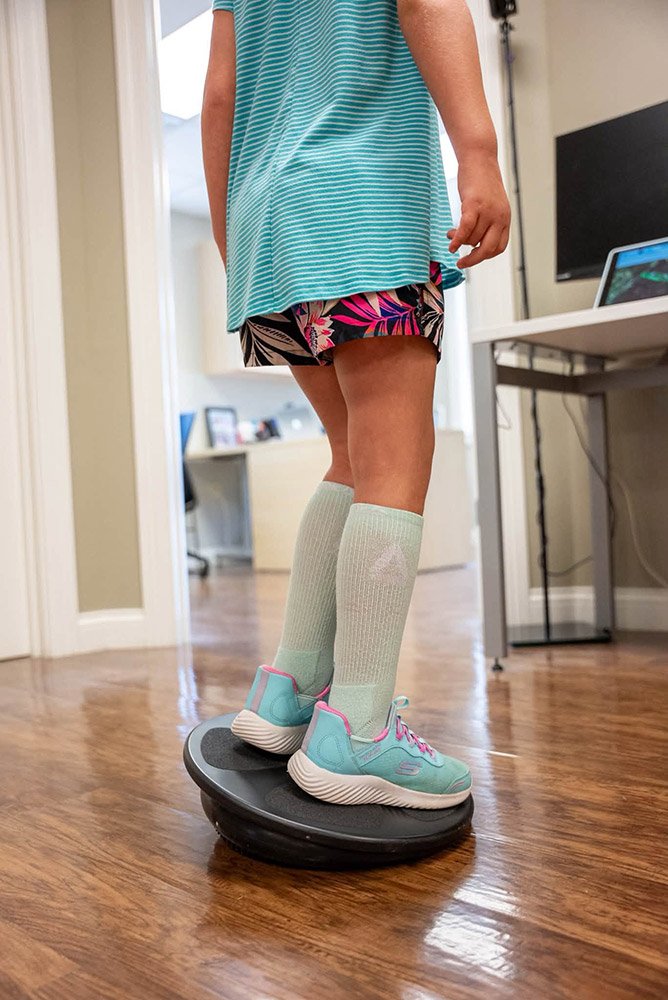
The vestibular system helps your brain understand movement, balance, and where your body is in space. It works closely with vision and motor systems to support balance, coordination, attention, and the ability to move confidently through everyday activities.
PROPRIOCEPTION
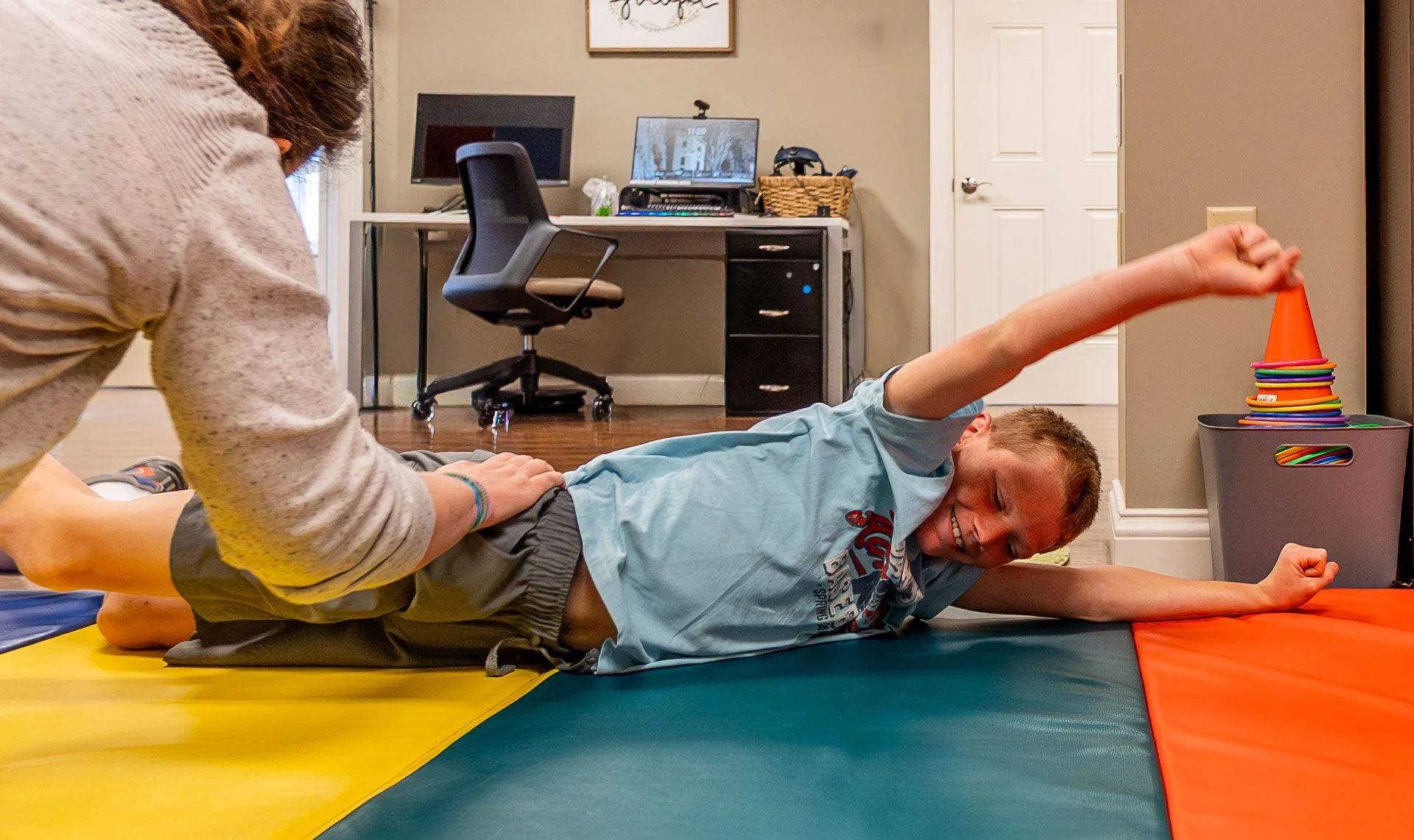
Proprioception helps your brain know where your body and limbs are without having to look. This body-awareness system supports coordination, motor planning, strength, and controlled movement.
OCULAR MOTOR
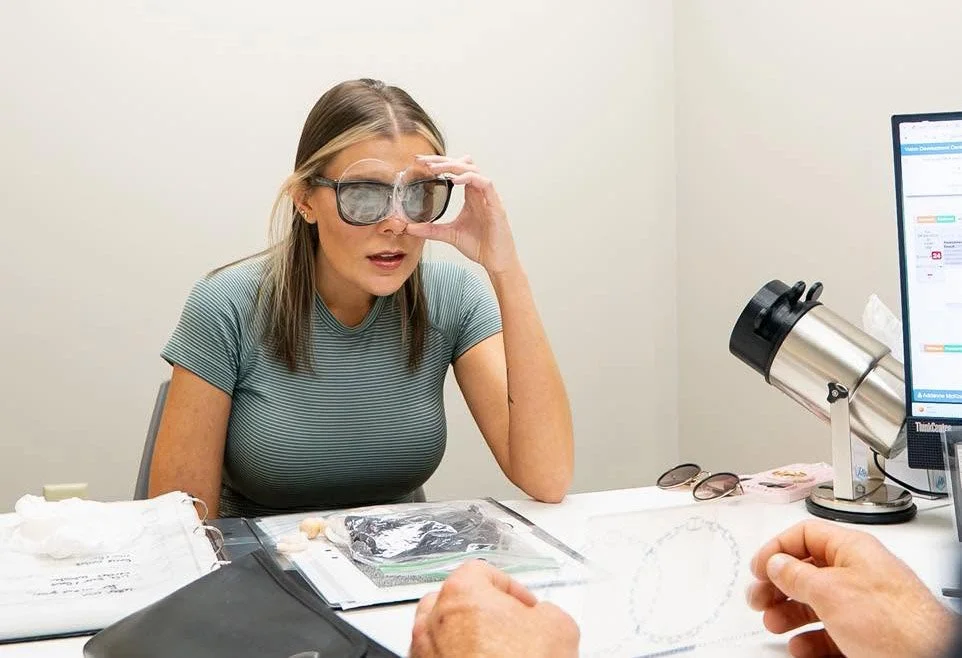
Ocular motor skills allow your eyes to move accurately and efficiently. These skills are essential for tracking, shifting focus, scanning, reading, and coordinating what you see with how you move and respond.

POSTURAL CONTROL
Postural control allows the body to maintain stability while sitting, standing, and moving. It provides the foundation needed for efficient vision, balance, coordination, and purposeful movement.
BILATERAL COORDINATION
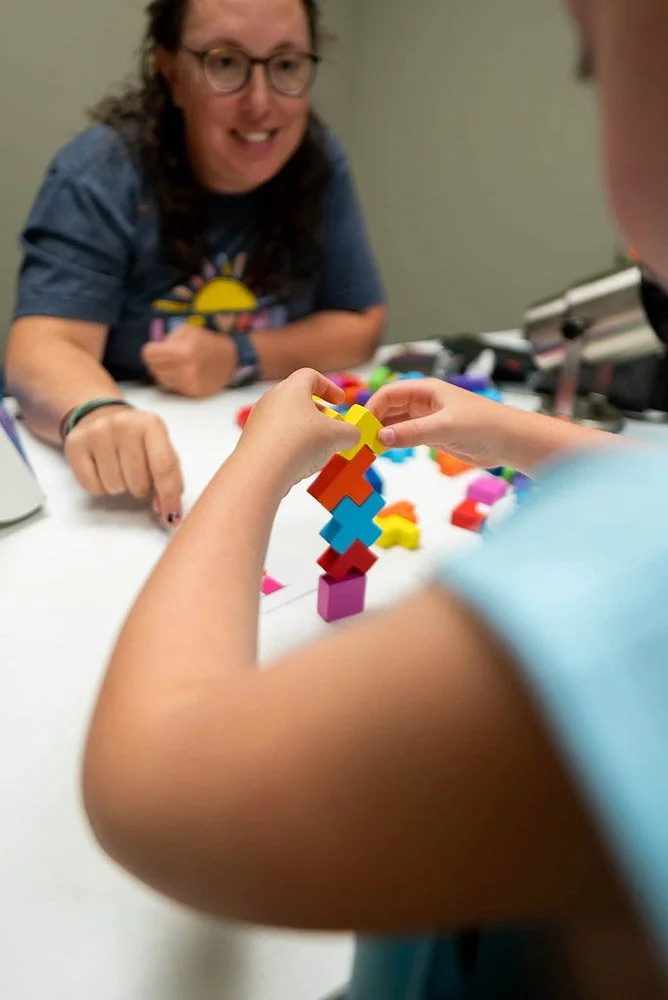
Bilateral coordination is the ability to use both sides of the body together in a coordinated way. It supports activities such as walking, catching, writing, dressing, and other everyday tasks that require the hands, eyes, and body to work together.
Supporting Therapies
In addition to your customized therapy plan, we may suggest light-based therapies, such as Photobiomodulation or Syntonics, to complement your treatment and support the body’s response as you progress through therapy.
What To Expect
Supporting therapies are integrated into regular sessions
May be done while you are relaxing or receiving other therapy
Results build over time
Allows faster progress
Expected Outcomes
Improved Cognitive Performance
Long-Term Brain Health
Mental Clarity and Focus
Energy and Vitality
Photobiomodulation
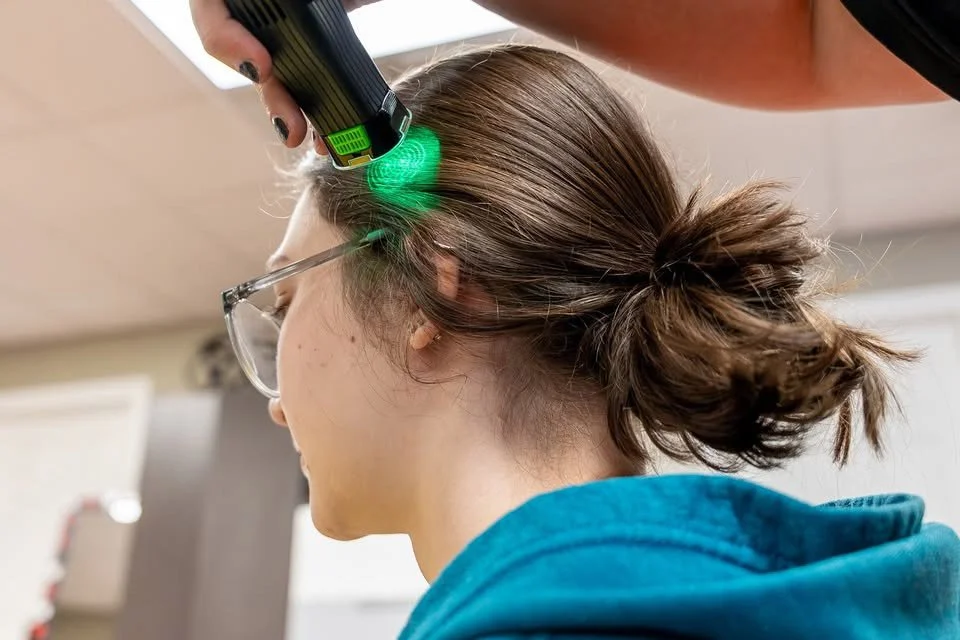
Photobiomodulation is a safe, non-invasive light therapy that uses near infrared wavelengths as a therapeutic stimulus. The light is delivered at a controlled intensity and wavelength, where it may influence cellular activity and support processes such as cellular energy production, circulation, and tissue response.
Syntonics
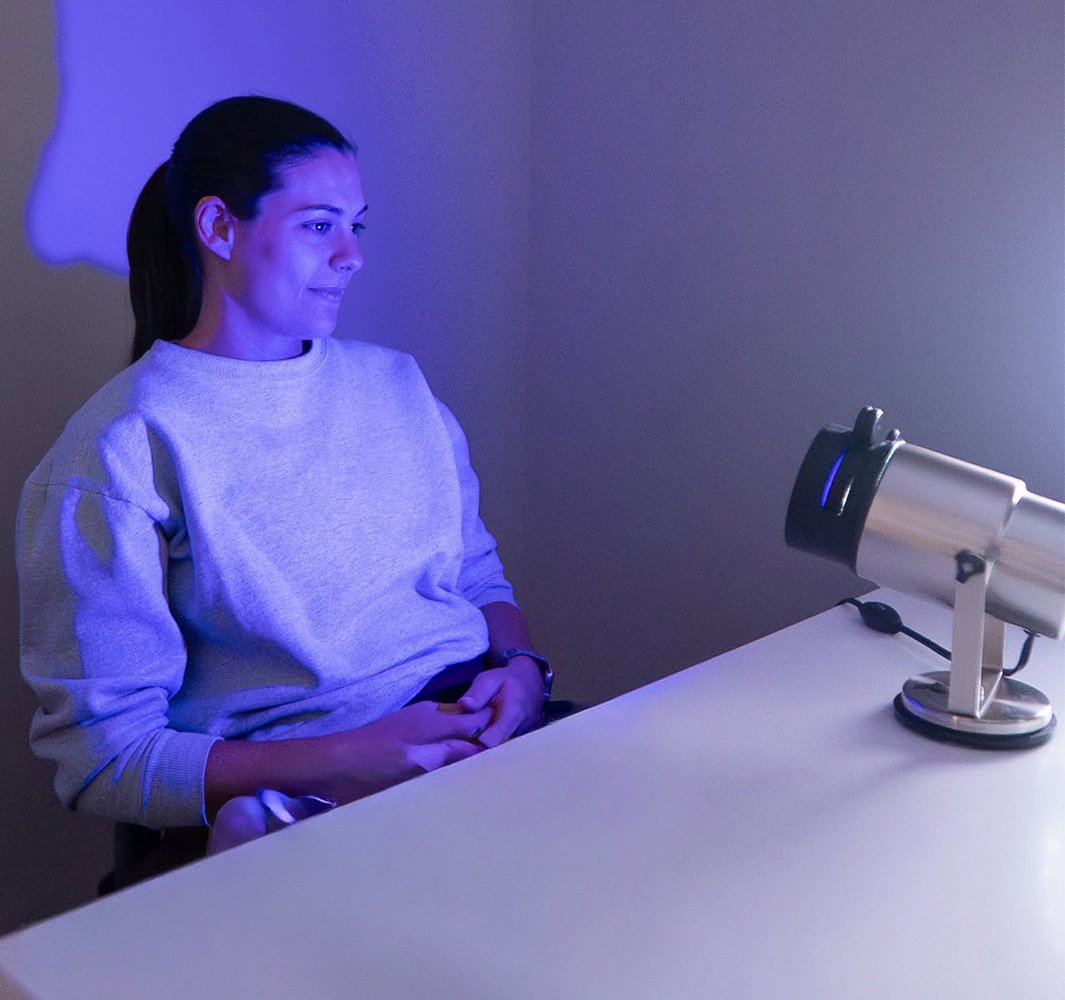
As part of a personalized visual motor therapy program, Syntonics may be used to support overall function and help the visual system process and respond to information more effectively. Syntonics, also known as optometric phototherapy, uses specific wavelengths of light as a therapeutic visual stimulus. It may also be incorporated into care for patients experiencing visual symptoms following concussion, head trauma or other acquired brain injuries, particularly when changes in visual processing, eye coordination, visual fields or light sensitivity are present.
No Referral Necessary to Start Therapy
We believe you should be able to explore services that may positively impact daily function without having to jump through unnecessary referral hoops. That’s why you can call 812-482-1411 or email us directly to learn more about our services, ask questions, or schedule an appointment.